Website under Maintenance. We regret any data inaccuracies. Thank you for your patience.





Pinkishe Foundation

4/5/2026
There comes a point when you have read enough articles about what menopause is. You understand what is happening. You have figured out the vocabulary. You know about FSH levels and oestrogen and hot flashes and brain fog.
Now you want the practical part. The Monday morning question. What do I actually do?
This is the article for that. No miracle cures, no celebrity diets, no expensive supplements. Just the changes that have helped thousands of Indian women feel meaningfully better through perimenopause and beyond.
If you were a runner in your 30s, this is not the time to push for marathons. If you were a yoga regular, you can keep at it but consider adding more strength based practice. If you were sedentary, this is the time to start, gently.
The single most underrated change for women in midlife is regular strength training. This does not mean lifting heavy weights at the gym. It can mean light dumbbells at home, resistance bands, or simple bodyweight exercises like squats, wall push ups, and lunges. Two or three short sessions a week, even fifteen minutes each, makes a real difference to muscle mass, metabolism, mood, and bone density.
Walking remains brilliant. Aim for thirty minutes a day, more if you can manage it. Walking outdoors in natural light helps both mood and sleep. Walking with a friend doubles the benefit because of the social connection.
Yoga and stretching keep your joints comfortable and your nervous system calm. Even ten to fifteen minutes a day adds up.
The point is not to become an athlete. The point is to keep your body in motion in varied ways. Variety matters more than intensity at this stage.
Indian women are bombarded with diet advice. Most of it is unhelpful in midlife. Here is what actually serves you in this stage.
Protein at every meal. Indian diets, especially vegetarian ones, often run light on protein. Your body needs more in midlife, not less. Daal, paneer, eggs, dahi, sprouts, fish, chicken, tofu, and chana should appear in most of your meals. Aim for a portion the size of your palm at each meal.
Calcium and vitamin D are non negotiable. Bone density drops faster after menopause. Dairy if you tolerate it, paneer, ragi, sesame seeds, and leafy greens all help. Get your vitamin D level tested and supplement if you are deficient, which most Indian women are.
Cut down the refined sugar and ultra processed food. Not because they are evil, but because your body in midlife handles them less well. Mithai on festivals, biscuits with chai, packaged snacks. All of these add up faster than they used to.
Eat your vegetables. Plenty of them. Cooked, raw, in dal, in sabzi, in salads. The fibre, vitamins, and antioxidants matter at this stage in ways they did not when you were 25.
Stay hydrated. Two to three litres of water a day, sipped through the day rather than gulped at meals.
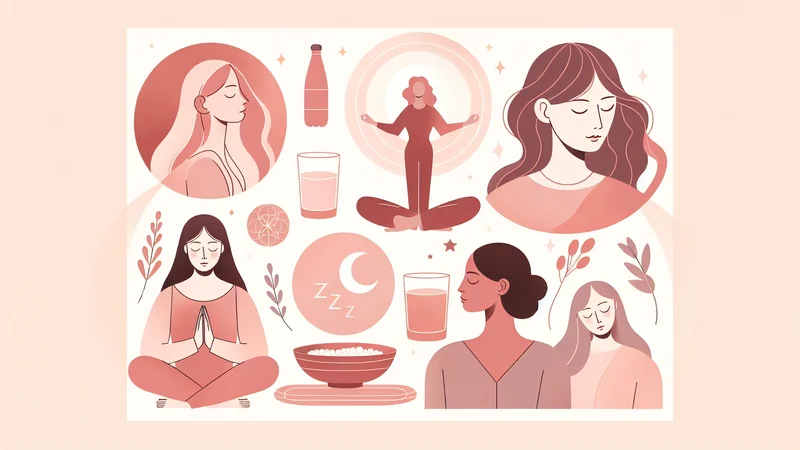
If you read no other section of this article, read this one. Sleep is the foundation under which everything else either works or fails to work.
Build a sleep routine. Go to bed at roughly the same time every night, including weekends. Get up at roughly the same time every morning. Your body responds to rhythm.
Cool, dark, cotton. Cool bedroom, dark room, cotton bedclothes. These three small changes help with hot flashes and overall sleep quality.
Cut caffeine after 2pm. Not negotiable. Even one afternoon coffee can disrupt your sleep that night.
Reduce alcohol, especially close to bedtime. It may help you fall asleep faster but ruins the second half of the night.
Keep screens out of bed if you can. The last 30 minutes before sleep should be device free where possible.
Because, in some ways, it does. Chronic stress in midlife affects almost everything. Mood, sleep, weight, blood pressure, cardiovascular health, immune function. The list is long.
Find a daily practice that calms you. Ten minutes of meditation. A walk after dinner. Time in your kitchen garden. Journalling. Calling a friend. Whatever it is, do it consistently.
Build in proper rest. Indian women tend to be the last to rest in their families. This needs to change in midlife. You earned this rest. Take it.
Reduce input where you can. Social media, news, whatsapp groups, all add to the noise. Cut what does not nourish you.
Learn to say no. To unnecessary commitments, to people who drain you, to tasks that someone else can do. Your time and energy are finite resources, especially now.
Menopause is significantly easier when you are not going through it alone.
Find your women. The friends, sisters, cousins, colleagues who are in the same phase or have just come through it. Have honest conversations. Share what is working and what is not.
Talk to your partner. Tell them what you are going through. Most partners want to support but do not know how unless you tell them.
Talk to your children where appropriate. Older children can understand what you are experiencing. It teaches them something important about how women's bodies work, which most of us never learned.
Consider professional support. A therapist, a women's health specialist, a yoga teacher who works with midlife bodies. Build a small support team around yourself.

We talk a lot about what to add. Sometimes it helps to talk about what to subtract.
Crash diets and extreme regimens. They will not serve you in midlife. Your body responds badly to deprivation now.
Comparing yourself to younger women. Or to your younger self. Different bodies, different hormones, different rules.
Pretending nothing is happening. The cost of pretending is much higher than the cost of acknowledging.
Trying to do everything alone. You are allowed to ask for help. In fact, asking is often the most important thing you can do.
The most successful menopause is not the one without symptoms. It is the one where you understand your body, treat it with care, and walk through the phase with information and support.
You do not have to optimise everything. You do not have to follow every recommendation perfectly. Pick three or four things from this article that feel doable and start with those. Build slowly. Be patient with yourself.
Across India, millions of women are going through this phase with no information, no support, and a quiet sense that something is wrong with them. Nothing is wrong with them. They have just never been told what is happening or what to do about it. At Pinkishe Foundation, we work to change that, one community at a time. Five hundred rupees gives one girl a full year of menstrual health support and the kind of body literacy that helps her at every stage of life.
If reading this gave you a clearer plan for yourself, perhaps you can help give another woman the same.
If you can do only one thing, prioritise sleep. Good sleep affects mood, weight, mental clarity, and overall wellbeing more than almost any other intervention. After sleep, regular movement and protein at every meal are the next most impactful changes.
Most Indian women benefit from vitamin D and calcium supplements in midlife. Beyond that, supplements should be considered based on your specific blood work and a doctor's advice. Most generic supplement plans are unnecessary.
Most women notice improvements in sleep, mood, and energy within four to six weeks of consistent changes. Weight, body composition, and joint health improvements typically take three to six months to become visible.
Lifestyle changes during menopause are not about perfection. They are about consistency. Small daily choices, made repeatedly, add up to a body and mind that feel meaningfully better. You do not have to do everything at once. You just have to start somewhere and keep going.
Visit pinkishe.org to learn about our work for women across India, or support us so we can keep reaching more women who need honest, practical information.
Just ₹500 gives one girl a full year of menstrual protection. Tax-deductible under Section 80G.
YOU CAN MAKE A DIFFERENCE
Just ₹500 gives one girl safe menstrual protection for an year.
Tax-deductible under Section 80G.
4,16,600+ women supported 34,50,000+ pads distributed
Join us

Priya S. donated ₹500 · 2 hrs ago
Rohit K. donated ₹1,500 · Yesterday
Meera T. donated ₹200 · 2 days ago
Sneha J. donated ₹500 · 3 days ago
Kavita D. donated ₹1,500 · 4 days ago


%20(3).webp)


.webp)
%20(5).webp)
%20(4).webp)
.png)
%20(5).webp)


%20(2).webp)